An overview of oxygenic photosynthesis, which releases oxygen from breaking down water
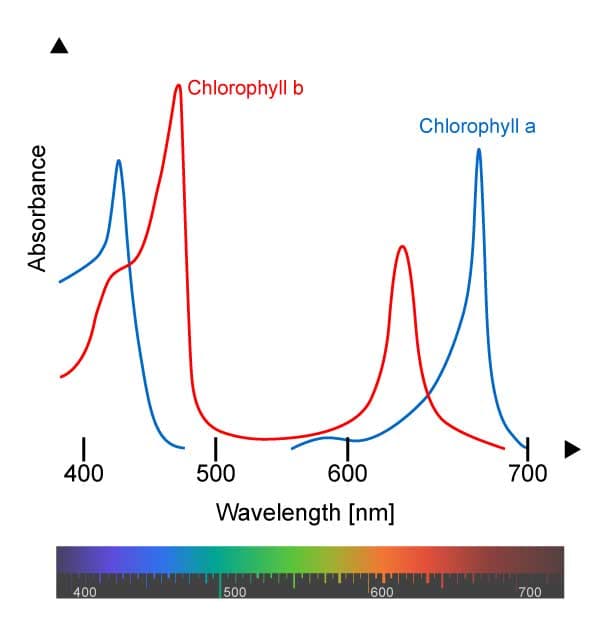
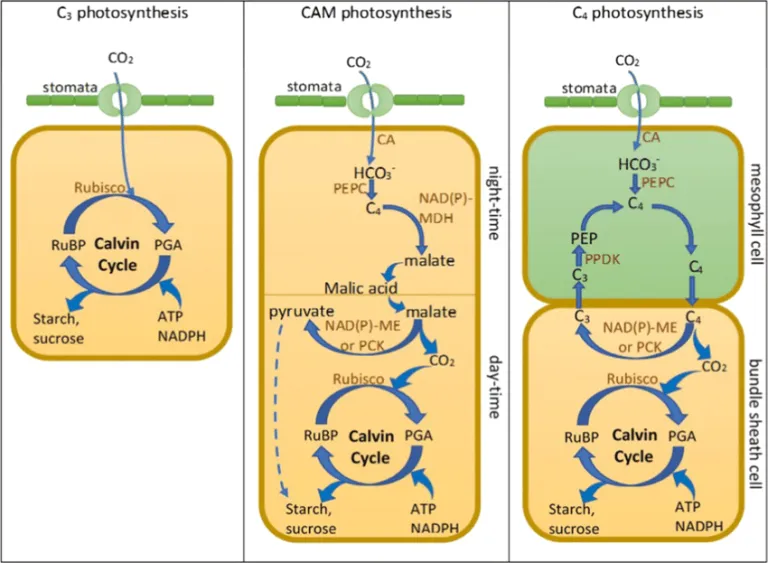
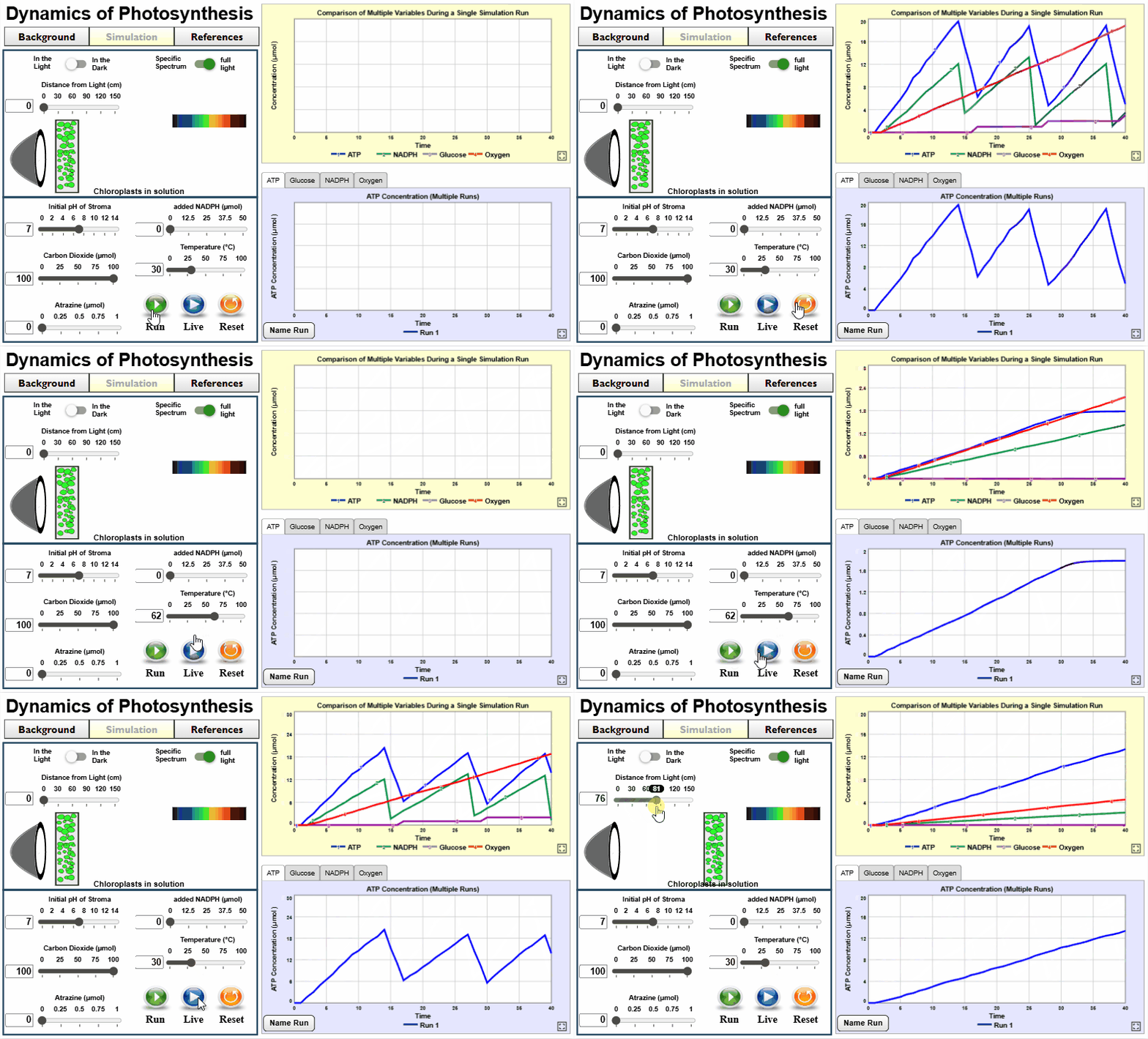
Within the membranes of chloroplasts, electrons in pigments are energized by light and transferred across a series of molecules until they create the energetic NADPH molecule. This transfer also powers a hydrogen pump, which creates an ion imbalance that, when relieved, produces energetic ATP molecules. Outside the membranes, both NADPH and ATP are used to synthesize G3Ps, which are funneled into other metabolic pathways to produce sugars.